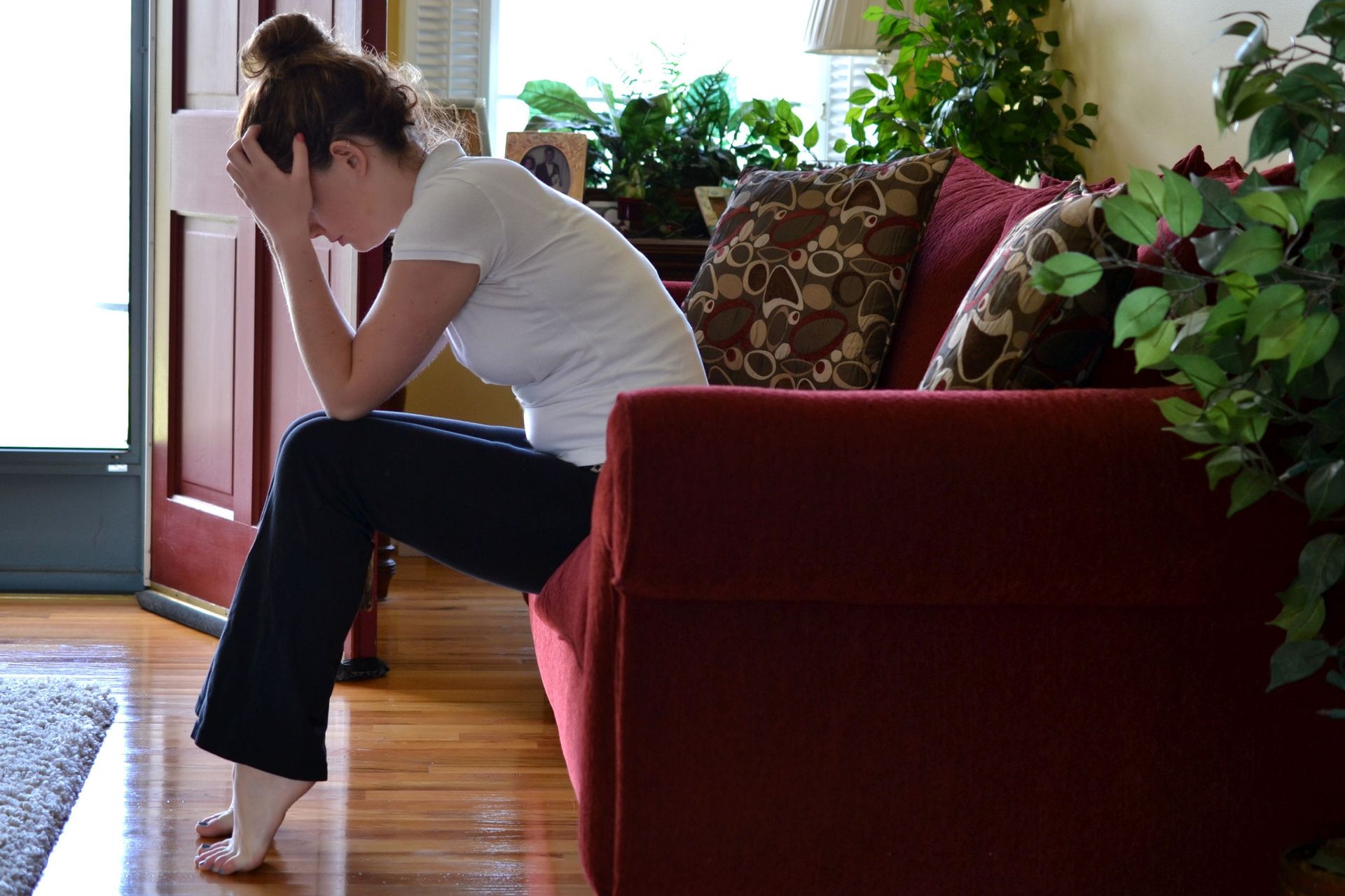
Depression does not always look like crying on the couch. For many women, it looks like snapping at the people you love, staying busy until you crash, or feeling numb at work while everyone thinks you are fine. If that sounds familiar, you are not weak or dramatic. You may be dealing with a real mental health condition, and it can be treated.
The National Institute of Mental Health (NIMH) says women are diagnosed with depression more often than men. A
CDC report on depression found that 16.0% of females had depression symptoms in the past two weeks, compared with 10.1% of males. Many things play a part. Hormonal changes, stress, and the weight of caring for everyone else are a few.
This guide explains how depression can show up in women, which types are common, and what depression therapy for women can look like. It is written for women in Petaluma and nearby. If you wonder whether what you feel is depression, this is a place to start. It is general information, not a diagnosis.
Here is where we are headed. We will look at why depression is more common in women, the signs, and the main types. We will cover life-stage types, how depression and anxiety overlap, and how coping habits fit in. Then we will walk through treatment options and how to find a therapist who feels right. We end with when to get help right away, common questions, and your next steps.
What Is Clinical Depression, and How Does Depression Affect Women?
Clinical depression, also called major depressive disorder, is more than a rough week. Low mood or a loss of interest lasts most of the day, nearly every day, for at least two weeks. It changes how you think, sleep, and eat. It changes how you see yourself.
Depression affects women in every part of life. It can drain your energy, strain your relationships, and make simple tasks feel huge. In the CDC report, 87.9% of people with symptoms said they had at least some trouble with work, home, or social activities.
That is not a flaw in who you are. It is a health issue, like other health conditions that need care. The good news is that depression is treatable. You do not have to white-knuckle your way through it.
Why Women Are More Likely to Experience Depression
No single cause explains why so many women experience low mood that does not lift. Researchers point to a mix of biology, life events, and stress. Hormonal shifts during puberty, pregnancy, and the years before menopause can affect mood. Daily life adds more. Many women juggle work, parenting, aging parents, and the mental load of running a home. Rest is rare.
Women also tend to reach out. In the same CDC report, a higher percentage of females (43.0%) than males (33.2%) reported receiving counseling or therapy in the past 12 months. NIMH notes that men may be less likely to seek help, so their depression is more often missed. Part of the gap may come from who gets noticed and who asks for support.
Whatever the cause, the takeaway is simple. If you are struggling, you are not alone, and help is available.
Signs and Symptoms of Depression in Women
Not everyone has every symptom. The signs of depression can look different from person to person. NIMH lists these common signs and symptoms:
- A sad, anxious, or "empty" mood that does not lift
- Feelings of hopelessness or pessimism
- Irritability, frustration, or restlessness
- Loss of interest in things you used to enjoy
- Tiredness or low energy
- Trouble concentrating, remembering, or making decisions
- Changes in sleep or appetite
- Aches, pains, headaches, or stomach problems with no clear cause
- Thoughts of death or suicide
These symptoms usually last at least two weeks. If you notice several, talk with a doctor or a therapist. You do not need to wait until things feel unbearable.
Depression Is One Condition, and Women May Experience Depression Differently
Depression is one condition, but it does not look the same in everyone. Many women feel depression as irritability or anger more than sadness. Others notice body symptoms first, like constant tiredness, headaches, or aches that have no clear cause.
Many women hide it well. You may keep working, hosting, and showing up for others while you feel empty inside. People may say, "But you seem so together." That can make you doubt yourself. It can also delay getting care.
If your mood has changed and you are not sure it is "bad enough" to count, trust that instinct. You do not have to prove your pain to deserve support.
Different Types of Depression Women May Face
There are different types of depression. The type can shape what helps. Three common ones are:
- Major depressive disorder: Strong symptoms that last at least two weeks and affect daily life.
- Persistent depressive disorder: A lower, longer-lasting low mood that can continue for two years or more.
- Seasonal affective disorder: Depression that returns at the same time each year, often in the darker months.
Some types are tied to life stages. These matter a great deal for women, so we cover them next.
Postpartum Depression and Other Life-Stage Types of Depression
Hormonal changes can shape mood at certain points in a woman's life. NIMH describes three types:
- Premenstrual dysphoric disorder (PMDD): A more severe form of PMS that shows up in the weeks before a period.
- Perinatal depression: Depression during pregnancy or after childbirth. It is more serious than the "baby blues."
- Perimenopausal depression: Depression that can show up during the move toward menopause.
Postpartum depression falls under perinatal depression. According to
NIMH's perinatal depression guide, most episodes begin within 4 to 8 weeks after the baby is born. The National Maternal Mental Health Hotline offers support by call or text at 1-833-9-TLC-MAMA, 24 hours a day, 7 days a week.
If you are pregnant or have recently given birth, tell your doctor or midwife how you feel. You deserve care too.
Depression and Anxiety in Women: When They Show Up Together
Depression and anxiety often travel together. You might feel low and keyed up at the same time, lying awake with racing thoughts and then dragging through the next day.
Anxiety in women can look like constant worry, a tight chest, or a mind that will not slow down. Depression can bring heaviness, shame, and numbness. When both are there, each can make the other worse.
This overlap is common. It does not mean you are "too much" to treat. A good therapist looks at the whole picture, not one mental health condition at a time. Treatment can address both, so you do not have to pick one to work on first.
Depression and Substance Use: When Coping Starts to Cause Problems
Many people reach for a glass of wine, a sleep aid, or something else to take the edge off a hard mood. It is a very human thing to do. The trouble is that relief rarely lasts. It can disrupt sleep, deepen low mood, and make the next day harder.
Over time, some people develop a substance use disorder alongside depression. The Substance Abuse and Mental Health Services Administration (SAMHSA) is the federal agency that works on both mental health and substance use.
If you notice you are using more to get through the day, that is not a moral failing. It is a sign to get support. A therapist can help you build other ways to cope. They can also point you to extra care if you need it.
Depression Treatment for Women: Treatment Options That Can Help
Good news first: depression treatment works for many people. NIMH says treatment usually involves psychotherapy (in person or virtual), medication, or both. For milder depression, therapy is often tried first. Medication can be added later if therapy alone is not enough.
If medication is part of your plan, a doctor or other prescriber manages it. NIMH notes that antidepressants usually take 4 to 8 weeks to work. Sleep, appetite, and focus often improve before mood does. The
NIMH depression guide explains each option in plain language.
Daily habits can support treatment. Regular sleep, time outside, gentle movement, and connection with people you trust all help. For a deeper look, read
the best treatment for depression and how to find what works for you.
How Therapy Can Help Women With Depression
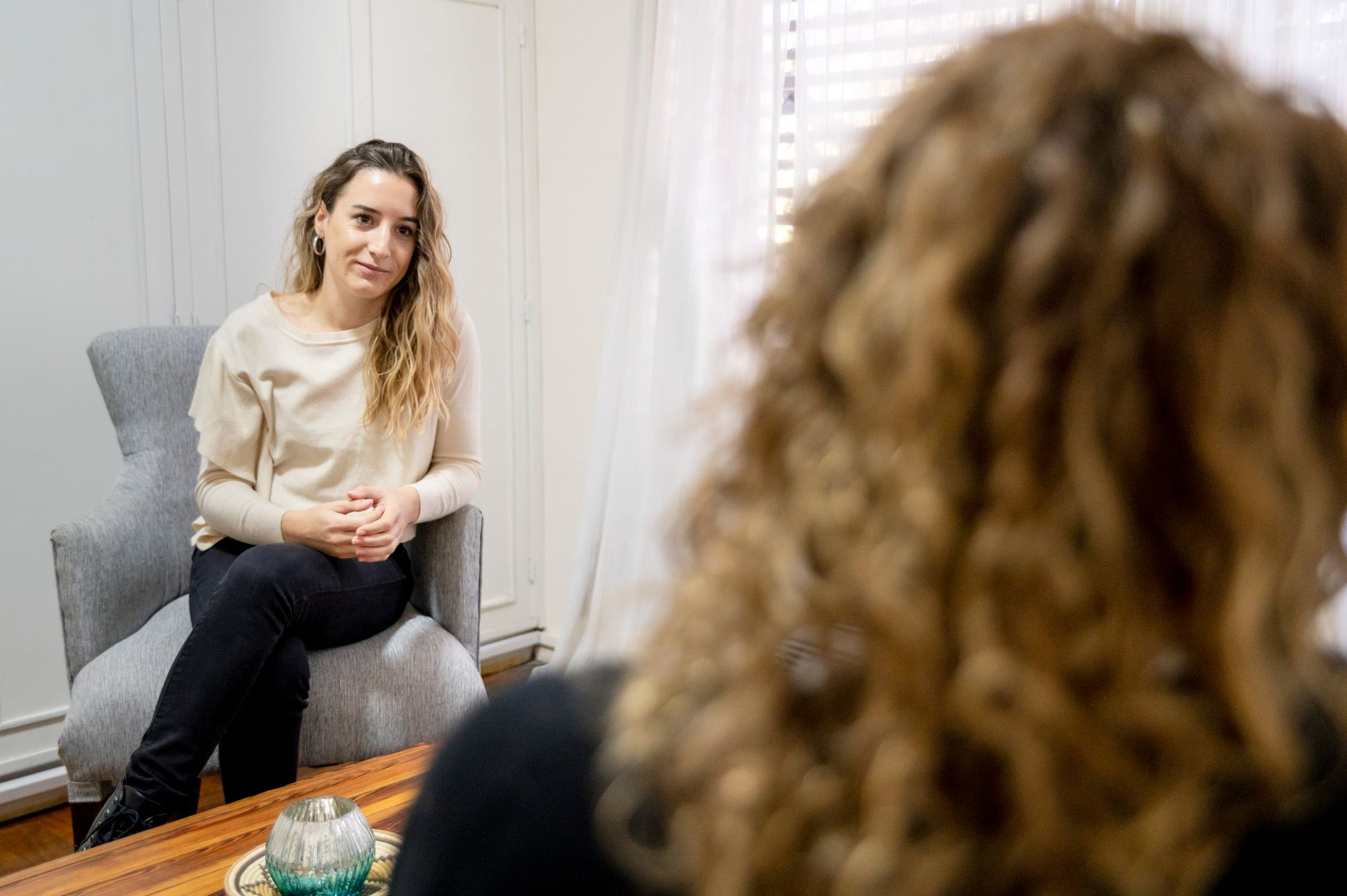
Talk therapy gives you a steady place to sort through what is going on. A therapist listens, helps you spot patterns, and teaches skills to use between sessions.
Different approaches suit different people. Cognitive behavioral therapy (CBT) helps you notice unhelpful thoughts and try new ones. Interpersonal therapy focuses on relationships and life changes. Some therapists use dialectical behavior therapy (DBT) skills for strong emotions. Mindfulness can help you stay present when your mind spirals. Ask any therapist which approaches they use.
At Karen Collins Therapy in Petaluma,
one-on-one sessions combine practical problem-solving with emotional healing. Clients build coping skills and leave with simple tools that fit real life. You can read more about
depression therapy in Petaluma on the practice website.
Mental Health Care: How to Find a Therapist Who Is the Right Fit
Finding the right therapist matters as much as the type of care. Start with a few simple questions. Are they licensed in California? Do they have experience with depression? Do they explain things in a way you understand?
Notice how you feel in the first session or two. You should feel heard, not judged. It is okay to ask how sessions work, how often you would meet, and what a first visit looks like. Ask about fees before you book. You can also ask whether online therapy is an option.
Karen Collins, LMFT, has more than 20 years of experience and has been in private practice since 2011. She works with adults in Petaluma, Penngrove, Two Rock, and Lakeville.
Getting help from a mental health professional is a strong step, not a last resort. If the first fit is off, you can try someone else.
When to Reach Out for Mental Health Support Right Away
Some situations cannot wait. Please get help right away if you have thoughts of suicide or of harming yourself. The same goes if you feel unsafe.
In the United States, you can call or text 988 at any time to reach the 988 Suicide and Crisis Lifeline. The
988 Lifeline website says it is available 24/7/365. It supports people facing mental health struggles, emotional distress, or alcohol or drug use concerns. If someone is in immediate danger, call 911.
You can also reach out if you are not in crisis but have felt low for weeks. Daily life may have become hard to manage. Seeking help early is always okay. You do not need a "good enough" reason.
Common Questions About Depression in Women
How do I know if I have depression or I am just sad?
Sadness usually passes and has a clear cause. Depression lasts at least two weeks. It affects sleep, energy, focus, and interest in life. If it lingers, talk with a doctor or therapist.
Is depression in women different from depression in men?
The condition is the same, but how it shows up can differ. Many women notice irritability, body aches, or anxiety with low mood. Men may be less likely to seek help, so their depression is sometimes missed.
Can therapy alone treat depression?
For milder depression, NIMH says therapy is often tried first. Moderate or severe depression may call for therapy, medication, or both. A doctor can help you decide.
How long does it take to feel better?
It depends on the person. Antidepressants usually take 4 to 8 weeks to work, per NIMH. With therapy, many people feel some relief as they build skills. There is no set timeline.
Can depression and anxiety be treated at the same time?
Yes. A therapist can work on both together, since they often overlap and affect each other.
How do I get started with a therapist in Petaluma?
Reach out to a few therapists, ask your questions, and notice who feels like a good fit. You can start with a short call or message and go from there.
Summary and Next Steps for Women Dealing With Depression
Depression in women is common, real, and treatable. It can look like irritability, exhaustion, anxiety, or a quiet numbness that others do not see. It can change with life stages, from pregnancy and birth to perimenopause. It can also overlap with anxiety or with unhealthy coping habits.
You do not have to figure this out alone. Therapy, medication, or both can help. A good therapist will meet you where you are. If you are in crisis, call or text 988.
If you live in Petaluma or nearby and want support, Karen Collins, LMFT, offers individual therapy for adults. You can
contact Karen Collins Therapy to ask questions and learn about fees. The first step can feel hard. It may also be one of the kindest things you do for yourself.