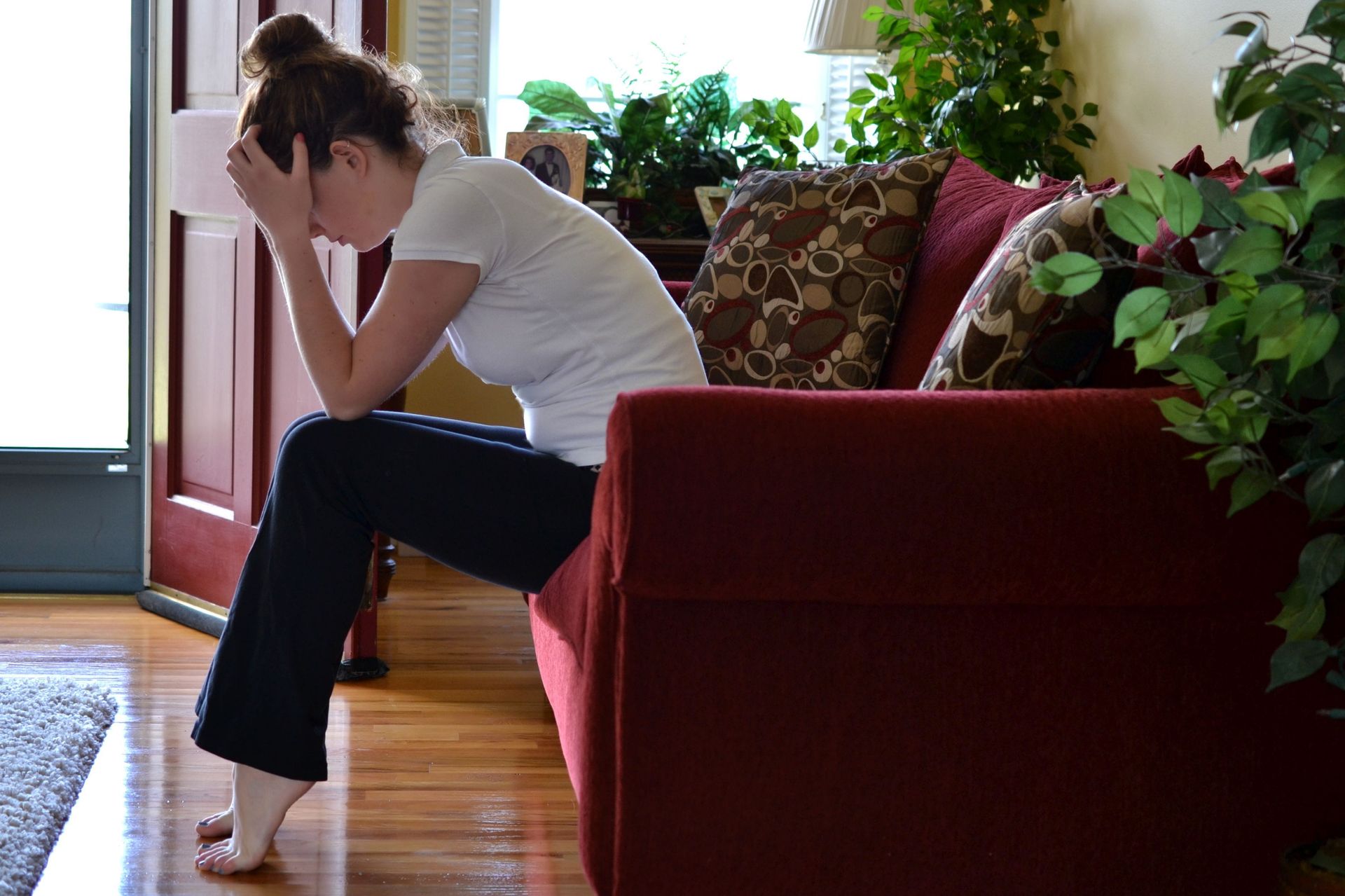
You leave the party early. You replay the conversation for days afterward, convinced you said something wrong. You turn down the work project because it involves presenting to the team, and then spend the next week beating yourself up about it.
Most people call this “being shy.” But for a lot of people, it’s something more. Social anxiety disorder is one of the most common mental health conditions in the United States, affecting an estimated 15 million adults, and yet the average person waits more than 10 years before seeking help, often because they’ve convinced themselves they’re just a little introverted.
This post is here to help you tell the difference. Because knowing whether you’re dealing with shyness or social anxiety disorder can change everything, including what you do next.
What Is Shyness, and What It’s Not
Shyness is a personality trait. It’s the feeling of awkwardness or hesitation that shows up in new situations, around unfamiliar people, or when the spotlight lands on you unexpectedly. If you’re shy, you might feel a little stiff at first. But given time and familiarity, you warm up. The discomfort fades.
Shyness is common, it’s human, and it doesn’t usually stop you from living your life. You might still go to the party, you just hang back near the snacks for a while.
Social anxiety is different. It’s not a personality trait, it’s a mental health condition, classified as one of the anxiety disorders in the DSM-5. And the key difference isn’t how you feel in the moment. It’s what that feeling costs you.
Symptoms of Social Anxiety Disorder: What It Actually Feels Like
Social anxiety manifests differently for everyone, but there’s a common thread: an intense fear of being judged, embarrassed, or humiliated in social situations, even ordinary ones. Not just big performances. Everyday things.
The symptoms of social anxiety disorder can be physical, emotional, and behavioral all at once:
- Heart racing or chest tightening before a meeting, date, or phone call
- Sweating, trembling, or blushing in social settings
- Your mind going blank when you need to speak
- Avoiding situations you actually want to be in, dinner with friends, work events, new relationships
- Spending hours before or after social interactions dreading or replaying them
- Turning down opportunities, promotions, friendships, relationships, because the anxiety feels too large
The physical symptoms are real. The avoidance of social situations is real. And the impact on your life, your career, your relationships, your sense of who you could be, is real.
Shyness might make you quiet at the start of a gathering. Social anxiety can make you skip the gathering entirely, then feel shame about having skipped it.
The Key Differences Between Shyness and Social Anxiety Disorder
Here’s a straightforward way to think about the difference:
- Shyness is situational.
It tends to ease once you settle in. You can push through it.
- Social anxiety is persistent.
The anxiety about social situations doesn’t go away after you’re there, it lingers before, during, and after.
- Shyness doesn’t usually stop you.
You might feel uncomfortable, but you show up.
- Social anxiety disorder often does.
Avoidance of social situations becomes the default strategy, and the relief is only temporary.
- Shyness isn’t a mental health disorder.
Social anxiety disorder is, and it’s treatable.
One helpful question to ask yourself: Is my anxiety about social situations actually changing the shape of my life? Is it making me smaller? That’s worth paying attention to.
Social Anxiety Disorder Affects More People Than You Think
According to the
National Institute of Mental Health, an estimated 7.1% of U.S. adults experienced social anxiety disorder in the past year. Over a lifetime, about 12.1% of adults will meet the criteria for social anxiety disorder at some point. The
Anxiety and Depression Association of America reports that of those living with social anxiety, 36% experience symptoms for 10 or more years before seeking help.
That gap, a decade of waiting, is largely because people with social anxiety often dismiss what they’re experiencing. They call it shyness. They call it introversion. They tell themselves everyone feels this way.
Some do feel nervous in social situations. But not everyone cancels plans, avoids promotions, or lies awake replaying a sentence they said at lunch. If that’s your experience, you’re not just introverted. You may be dealing with a common mental health condition that responds well to treatment.
Therapy for Social Anxiety: What Actually Helps
Social anxiety disorder is one of the most treatable anxiety disorders. The research is clear, and so is the clinical experience: people with social anxiety can and do get better, with the right support.
Here are the main treatment options for social anxiety:
Cognitive Behavioral Therapy (CBT).
CBT is the gold standard, the most extensively researched and most effective type of psychotherapy for social anxiety disorder. CBT for social anxiety works by helping you identify the thought patterns driving your fear and anxiety, test those thoughts against reality, and gradually change the behaviors, like avoidance, that keep social anxiety in place. Most people begin to notice meaningful shifts within 12 to 16 therapy sessions.
Exposure Therapy.
A key component of CBT, exposure therapy involves gradually facing the social situations that trigger fear and anxiety, starting small, building up. The brain learns, through real experience, that the feared outcome doesn’t happen. Over time, the intense fear of social situations loses its grip.
Acceptance and Commitment Therapy (ACT).
ACT takes a different approach than CBT. Rather than challenging anxious thoughts directly, acceptance and commitment therapy encourages you to observe them without judgment, make room for discomfort, and move toward the life you want anyway. There is a growing body of research supporting its effectiveness for treating social anxiety disorder.
Group Therapy.
For some people, a therapy group setting is particularly powerful for social anxiety, because the group itself becomes a safe place to practice social interactions, build confidence, and realize that others share similar experiences.
In some cases, a medical provider may also recommend medication, such as SSRIs (selective serotonin reuptake inhibitors), as part of a personalized treatment plan. This is always a conversation between you and your care providers.
Coping Strategies for Managing Social Anxiety Day to Day
While working with a mental health professional is the most effective path to overcoming social anxiety disorder, there are also strategies for managing social anxiety in the short term:
- Practice small exposures.
Identify one social situation you’ve been avoiding. Start smaller than you think you need to. Staying in it longer than usual builds tolerance over time.
- Notice the story, not just the feeling.
Social anxiety often comes with a running narrative: “They think I’m boring,” “I said the wrong thing.” Learning to recognize these thoughts as anxiety, not facts, is part of overcoming social anxiety.
- Slow down your breathing.
When the fear or anxiety response activates, your nervous system is in high alert. Slow, deliberate breathing signals safety and can reduce social anxiety symptoms in the moment.
- Reduce avoidance.
Avoidance of social situations provides short-term relief but feeds the anxiety long-term. Each time you avoid, the anxiety grows a little stronger. Each time you stay, it softens a little.
These coping strategies are useful tools. But they work best alongside therapy, not instead of it. Managing social anxiety disorder on your own has limits. Working with a therapist means you’re not figuring it out alone.
How to Know If It’s Time to Seek Social Anxiety Therapy
There’s no threshold you have to meet before reaching out. But here are some signs that what you’re experiencing goes beyond shyness and might benefit from social anxiety therapy:
- You avoid social situations that you genuinely want to be in
- Anxiety in social settings is affecting your work, relationships, or daily life
- You spend significant time before or after interactions in dread or self-criticism
- You’ve turned down opportunities, a job, a relationship, a friendship, because of fear of social situations
- You feel relief when plans are cancelled, followed by guilt or sadness
- You’ve been living with this for months or years, and it hasn’t gotten easier on its own
If any of that sounds familiar, it’s not a character flaw. It’s a common mental health condition, and there’s a path through it.
Social Anxiety Therapy in Petaluma with Karen Collins, LMFT
Karen Collins is a Licensed Marriage and Family Therapist (LMFT #53885) based in Petaluma, California, with over 20 years of clinical experience. She works with adults experiencing
anxiety and overthinking, relationship stress, and the patterns that keep people feeling stuck.
Working with Karen means you won’t be handed a worksheet and left to figure it out. She shows up with warmth, honesty, and a deep respect for what you’re carrying, and she won’t just sit quietly while you try to make sense of it alone.
Social anxiety therapy is offered in person at her Petaluma office, located at 7 Fourth Street, Suite 11. Sessions are available by appointment.
If you’re ready to talk, or even just curious about what working together could look like,
reach out here. A free consultation is available.
Frequently Asked Questions About Social Anxiety
What is the difference between shyness and social anxiety disorder?
Shyness is a common personality trait, a mild discomfort in new or unfamiliar social settings that typically fades with time. Social anxiety disorder is a diagnosable mental health condition marked by intense, persistent fear of social situations and the avoidance of social settings in ways that impact daily life. The key difference is the impact: shyness is manageable, while social anxiety disorder often shapes major life decisions.
Can you have social anxiety and still be outgoing?
Yes. Some people with social anxiety are quite talkative or socially capable on the surface, while privately experiencing intense fear and anxiety before, during, and after interactions. Social anxiety disorder doesn’t always look like being quiet. It can look like performing confidence while dreading every moment of it.
Can social anxiety go away on its own?
For some people, social anxiety decreases over time with gradual life experience. For many others, anxiety about social situations persists or worsens without treatment, especially if avoidance has become habitual. Social anxiety disorder generally responds much better to social anxiety therapy than to waiting.
How long does therapy for social anxiety take?
Most people begin to notice meaningful change within 12 to 16 sessions of CBT for social anxiety, though this varies depending on the severity of symptoms and individual factors. A mental health professional can give you a better sense of what to expect during an initial consultation.
What type of therapy is best for social anxiety?
Cognitive behavioral therapy (CBT) has the strongest research base as a treatment for social anxiety disorder. Acceptance and commitment therapy (ACT) is also well-supported. Your therapist will work with you to find the best approach given your specific symptoms, history, and goals.
Do I need a diagnosis to start social anxiety therapy?
No. You don’t need a formal diagnosis before reaching out to a therapist. A licensed mental health professional can evaluate your symptoms and discuss whether what you’re experiencing meets the criteria for social anxiety disorder, or whether another type of support might be more helpful.
You Don’t Have to Keep Shrinking
Living with social anxiety isn’t about being too sensitive or not trying hard enough. It’s about a nervous system that learned, at some point, that social situations were dangerous, and hasn’t had a chance to learn differently yet.
That can change. With the right support, people with social anxiety disorder learn to move through the world with more ease, not by forcing themselves to be someone they’re not, but by reducing the fear that’s been getting in the way.
If you’re in Petaluma or the Sonoma County area and wondering whether
anxiety therapy might be the right step,
Karen Collins is here. You don’t have to have it all figured out before you reach out.