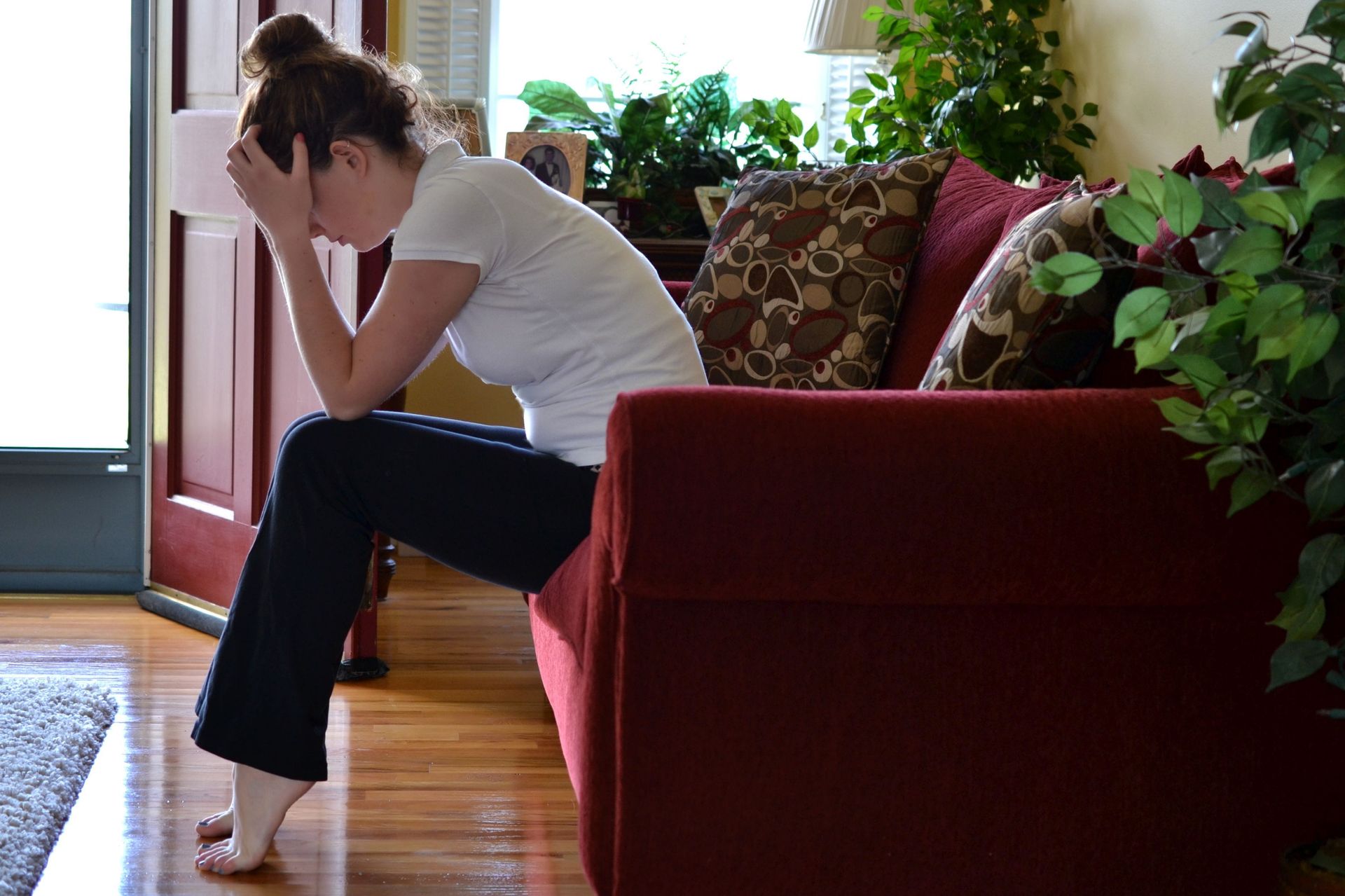

Can Your Relationship Survive Betrayal? Couples Therapy in Petaluma

Betrayal changes everything. Whether it was a physical affair, an emotional affair, a pattern of deceit, or a moment of dishonesty that shattered years of trust, the aftermath of betrayal can feel completely overwhelming. You may be questioning everything you thought you knew about your relationship, and about yourself.
If you’re wondering whether rebuilding trust after betrayal is actually possible, you’re not alone. It’s one of the most common and most painful questions couples bring into therapy. And the honest answer is: yes, it can be possible, but it takes time, the right support, and genuine commitment from both partners.
At Karen Collins Therapy in Petaluma, I work with couples navigating exactly this kind of pain. Whether you’re days past discovering an affair or years into trying to recover and still feeling stuck, couples therapy can help you find a path forward. In this article, I’ll walk you through what betrayal actually does to a relationship, what the process of rebuilding trust looks like, and how professional help can make the difference between spinning in circles and genuinely healing.
What You’ll Learn
We’ll cover the emotional reality of betrayal trauma, why trust is so hard to rebuild without support, what rebuilding actually looks like in practice, and how couples therapy in Petaluma can help you get there. Whether you’re the injured party or the betrayer, this is written for both of you.
What Betrayal Does to a Relationship, and Why It Hurts So Deeply
When we commit to a partner, we operate on a set of deeply held assumptions: that they’re being honest with us, that we are emotionally and physically safe with them, and that our shared story is real. Betrayal ruptures all of that at once.
This is why betrayal trauma is a real and serious psychological experience. The hurt partner often describes symptoms that mirror post-traumatic stress: intrusive thoughts, emotional flooding, hypervigilance, sleep disruption, and an exhausting need to check and re-check for signs that it will happen again. The discovery of an affair or deception, sometimes called ‘d-day’ in therapeutic contexts, can be genuinely disorienting in a way that’s hard to describe unless you’ve lived it.
At the same time, the wayward partner, the one who caused the betrayal, is often experiencing their own painful emotions: shame, guilt, fear of losing the relationship, and not knowing how to begin to repair what they’ve broken. These two experiences happening simultaneously make it extraordinarily difficult for couples to support each other through the healing process without outside guidance.
Understanding what betrayal does is the first step toward knowing what healing actually requires.
Why Rebuilding Trust After Betrayal Is So Hard to Do Alone
Most couples who try to recover from betrayal on their own find themselves caught in the same exhausting cycle: the injured party asks questions, the betrayer answers but feels defensive, the conversation escalates, someone shuts down, and nothing gets resolved. Repeat.
This happens not because either partner lacks love or willingness, but because both are operating from a place of deep emotional pain without the tools to navigate it safely. Broken trust creates a communication environment where almost every conversation carries the potential to cause more damage.
Here are some of the most common obstacles couples face when trying to rebuild without professional help:
- The hurt partner needs to understand what happened, but repeated conversations feel re-traumatizing rather than clarifying
- The betrayer wants to move forward but feels like nothing they do is enough to rebuild trust
- Defensiveness from either partner shuts down honest conversation before it can be productive
- Triggers, a song, a location, a phrase, can pull either partner back into acute pain without warning
- Underlying issues that contributed to disconnection in the relationship remain unaddressed
- Neither partner knows what full disclosure actually looks like or how much detail is appropriate to share
This isn’t a sign that the relationship is unsalvageable. It’s a sign that the couple needs a structured, safe space to do this work, which is exactly what couples therapy is designed to provide.
Can You Rebuild Trust After Betrayal? What the Research Says
Yes, with the right support, many couples do successfully rebuild trust and go on to describe their relationship as more honest and more connected than it was before the betrayal. This doesn’t minimize the pain of what happened. But it does mean that hope is grounded in real evidence, not wishful thinking.
A 2024 randomized controlled trial published in The Family Journal found that structured couples therapy was significantly more effective than unguided approaches for affair recovery, with meaningful improvements in trust, conflict management, and relationship satisfaction for couples who participated. The Gottman Institute’s research page documents this and other published couples therapy outcome studies. The couples most likely to succeed are those where the betrayer takes full responsibility without minimizing or deflecting, both partners are willing to look honestly at the relationship, and the process is guided by a trained professional who can help manage the emotional intensity.
In my work with couples in Petaluma, I’ve seen relationships recover from affairs, emotional betrayals, long patterns of deceit, and profound ruptures of trust. Recovery is possible, but it rarely looks the way people expect. It’s not a return to what things were before. It’s the building of something new, with more honesty and more clarity than existed before. If you’re wondering whether your specific relationship can survive, that’s a question worth exploring together in therapy.
How to Rebuild Trust in a Relationship After Betrayal: The Stages of Recovery
Rebuilding trust doesn’t happen in a straight line. Most couples move through several phases, and progress often includes setbacks. Understanding the stages can help both partners know what to expect and feel less alone when things feel harder before they feel easier.
Stabilization: In the immediate aftermath of betrayal, the priority is preventing further harm and creating enough safety for both partners to stay in the process. This phase often involves establishing basic agreements about communication, transparency, and behavior going forward. The goal isn’t to solve everything, it’s to make it safe enough to begin.
Understanding: This phase involves developing a fuller picture of what happened and why. Importantly, this isn’t about making the betrayer complicit or excusing the behavior, it’s about understanding the underlying issues and dynamics that contributed to the disconnection. This is often where truth-telling and full disclosure happen, guided carefully by a therapist.
Rebuilding: With greater clarity and some stabilization in place, couples can begin the active work of rebuilding their connection. This involves consistent action over time: regular check-ins, transparent communication, rebuilding emotional intimacy, and the betrayer demonstrating through behavior, not just words, a genuine commitment to change.
Integration and Wholeness: The final phase involves integrating the experience into the couple’s shared story and building a new vision for the relationship. This doesn’t mean forgetting what happened, it means finding a way to carry it that doesn’t define the relationship forever. Many couples describe reaching a sense of wholeness they hadn’t experienced even before the betrayal.
The timeline varies widely. Some couples move through this process in six to nine months of consistent therapy; others take longer. What matters most is consistency and genuine engagement.
How Couples Therapy Helps You Rebuild Trust After Infidelity
Couples therapy provides something that’s very difficult to create on your own: a structured, neutral safe space where both partners can be honest without the conversation collapsing. When mistrust is running high, even well-intentioned conversations can derail quickly. A therapist helps keep the process productive and prevents further damage.
In my approach to couples therapy in Petaluma, I draw on attachment-informed and solution-focused principles. This means I help couples understand how their attachment styles are shaping their responses, both to the betrayal and to each other, and I help them identify concrete, practical steps they can take to begin to rebuild connection rather than remaining stuck in the pain of what happened.
Some of the specific ways therapy supports trust rebuilding include:
- Helping the injured party express their pain fully without the process causing more damage
- Guiding the betrayer in taking full responsibility in a way that’s genuine and not defensive
- Interrupting destructive communication cycles before they escalate
- Providing structure for the difficult conversations, including what full disclosure looks like and how to navigate the hurt partner’s questions
- Addressing the underlying issues that contributed to disconnection in the relationship
- Rebuilding emotional and physical intimacy through guided connection exercises
- Giving both partners practical support for managing triggers and difficult moments outside of sessions
Therapy doesn’t make this process easy. But it does make it possible in a way that going it alone rarely is. For more on what couples therapy looks like in practice, visit the couples therapy page for Petaluma.
Emotional Affairs and Broken Trust: Does the Type of Betrayal Matter?
One question that comes up often is whether an emotional affair is as serious as a physical affair. In clinical practice, the answer is yes. Broken trust doesn’t require a physical relationship to cause profound damage. An emotional affair, an intense, secretive connection with someone outside the relationship, can be just as destabilizing and just as painful as physical infidelity.
The hurt partner in an emotional affair sometimes finds it even harder to process, because there isn’t a clear physical line that was crossed. The deceitfulness was about emotional intimacy and secrecy, which can feel even more threatening to the core of the relationship.
Similarly, other forms of betrayal, financial deception, long-held secrets, patterns of dishonesty, can cause the same rupture in trust. The type of betrayal matters less than the impact it has on both partners. Whatever form it took in your relationship, the feelings are valid, and the process of rebuilding is real work that deserves real support.
If you’re navigating the aftermath of infidelity specifically, you may also find it helpful to read more about whether relationships can survive infidelity and about healing after betrayal.
What the Betrayed Partner Needs to Heal
Being the injured party in a betrayal is one of the loneliest experiences in a relationship. You may find yourself oscillating between wanting to repair things and wondering whether you can ever trust your partner again. Both of those feelings are completely understandable.
What the betrayed partner needs most in the healing process tends to include:
- Honest, consistent answers to their questions, without the betrayer becoming defensive or shutting down
- Visible, behavioral evidence of the betrayer’s commitment to change, not just words
- The ability to express their pain fully without being told to ‘get over it’ or move on before they’re ready
- A trusted friend or individual therapist to process with outside of couples sessions
- Time, genuine, patient time, without pressure to reach forgiveness on a particular schedule
In couples therapy, I work to create the conditions where the betrayed spouse feels genuinely heard and where their need for understanding and consistency is honored. Healing cannot be rushed, and it cannot be forced. But it can be supported.
What the Betrayer Needs to Do to Rebuild Trust
For the betrayer, the person who caused the harm, the path to rebuilding trust is clear in concept but genuinely difficult in practice. It requires more than apology. It requires sustained, consistent behavioral change over time.
Some of the most important things the betrayer can do include:
- Come clean fully and completely, rather than allowing the truth to emerge in pieces over time. Partial disclosures extend the trauma and make it much harder for the injured party to trust anything they’re told.
- Take full responsibility without deflecting, minimizing, or making the hurt partner feel responsible for what happened
- Proactively offer transparency, regular check-ins, access to communications, and openness about whereabouts, rather than waiting to be asked
- Be patient with the injured party’s process, even when it feels like the same ground is being covered repeatedly
- Seek to understand the impact of the betrayal on the injured party rather than focusing primarily on managing their own guilt
- Address the underlying issues, whether personal, relational, or otherwise, that contributed to the betrayal
This is hard work. The betrayer is often carrying enormous shame while simultaneously being asked to show up consistently for a partner who is in pain. Couples therapy, and sometimes individual therapy alongside it, can provide practical guidance and support through this process.
How Open Communication Becomes the Foundation of a Stronger Relationship
One of the most significant shifts that happens in successful betrayal recovery is a transformation in how the couple communicates. Before the betrayal, there were almost always patterns of avoidance, defensiveness, or unspoken needs that contributed to disconnection. The process of rebuilding creates an opportunity, a painful one, but a real one, to build a different kind of communication.
Open communication in the aftermath of betrayal means both partners learning to say what’s true even when it’s uncomfortable, to listen without immediately defending, and to tolerate the discomfort of honest conversation without shutting down or escalating.
This is a skill set, not a personality trait, and it can be learned with the right support.
Couples who come through betrayal and rebuild trust often describe their communication as stronger than it ever was in their years of marriage or partnership before the crisis. Not because the betrayal was worth it, it wasn’t, but because the work of recovery required a depth of honesty and openness that hadn’t existed before. For more on communication repair in relationships, take a look at the couples communication therapy page.
Finding the Right Couples Therapist for Betrayal Recovery in Petaluma and Sonoma County
If you’re looking for support with relationship counseling in Sonoma County, one of the most important things is finding a therapist you both feel comfortable with. Not every therapist is equipped to work with the specific dynamics of betrayal recovery, and not every therapeutic approach is equally effective for this kind of work.
When evaluating a couples therapist for betrayal recovery, look for someone who:
- Has specific experience working with infidelity and betrayal trauma
- Takes a non-judgmental stance toward both partners, not taking sides or assigning blame
- Uses a structured, research-informed approach rather than simply facilitating conversation
- Has training in attachment and relationship dynamics
- Can work with both the injured party and the betrayer in a way that feels safe for both
At Karen Collins Therapy in Petaluma, I bring over 20 years of experience as a licensed marriage and family therapist, with an attachment-informed, solution-focused approach to couples work. I work with couples in person, Monday through Friday, 11am to 6pm.
Couples sessions are $200. I serve Petaluma, Rohnert Park, and the broader Sonoma County area.
If you’re unsure whether couples therapy is the right next step, please reach out. We can have a conversation about what would be most helpful for your situation before you commit to anything.
Building a New Relationship Within Your Existing One
One of the most reframing ideas in betrayal recovery is this: rebuilding after betrayal isn’t about returning to the relationship you had before. That relationship, the one that existed before d-day, included the patterns, the disconnection, and the unspoken things that contributed to vulnerability. Going back to it isn’t the goal.
The goal is building something new. A relationship with more honesty, more clarity about each partner’s needs, and a stronger foundation of genuine trust than existed before. Many couples describe this as feeling like they’re in a new relationship with the same person, and many say it’s a better one.
This doesn’t happen automatically. It requires intention, consistent work, and a willingness to let go of the old relationship in order to build the new one. But for couples who do this work fully, who face the brokenness and move through it rather than around it, the other side is real.
Frequently Asked Questions About Rebuilding Trust After Betrayal
How long does it take to rebuild trust after betrayal?
There’s no universal answer. Many couples begin to feel meaningful progress within a few months of consistent therapy, but fully rebuilding trust, reaching a place where the injured party no longer lives in a state of hypervigilance, often takes one to two years. The pace depends on the nature of the betrayal, the consistency of both partners’ engagement, and whether underlying issues in the relationship are genuinely being addressed.
How do you rebuild trust in a relationship after betrayal if my partner keeps being defensive?
Defensiveness from the betrayer is one of the most common barriers to rebuilding. In couples therapy, I work specifically on helping the betrayer understand how defensiveness functions as a barrier to trust repair, and on developing the capacity to hear the hurt partner’s pain without immediately becoming self-protective. This is something that’s very difficult to work through without a therapist guiding the process.
Can couples therapy really help after infidelity, or is it too late?
It’s rarely ‘too late’ for couples therapy to be helpful, even if significant time has passed since the betrayal. Old betrayals that were never fully processed can continue to affect a relationship for years. Whether you’re days out from discovery or years into trying to heal without success, professional guidance can help you move forward.
Do we have to decide whether to stay together before starting therapy?
No, and in fact, I actively encourage couples not to make that decision before they’ve had time to do some of the work. Therapy can help you get to a place of clarity about what you both want and need, and make whatever decision you reach from a grounded place rather than in the middle of acute crisis.
What if only one of us wants to come to therapy?
If your partner isn’t ready to come to therapy, individual sessions can still be valuable for you. Sometimes one partner beginning therapy creates an opening for the other to join the process later. Reach out and we can talk through what would be most helpful given your specific situation.
You Don’t Have to Navigate Betrayal Alone
Rebuilding trust after betrayal is some of the hardest work a couple can do. It requires honesty, patience, consistency, and the courage to face things that are deeply painful. But it is possible, and you don’t have to do it without support.
At Karen Collins Therapy in Petaluma, I provide compassionate, experienced couples therapy for partners working through betrayal, infidelity, broken trust, and the road to rebuilding. I work with couples as a licensed marriage and family therapist with over 20 years of experience, using an attachment-informed, solution-focused approach that helps couples move from crisis toward genuine connection.
If you’re ready to take a first step, I invite you to reach out through the contact and fees page. Couples sessions are $200 and are held in person in Petaluma, Monday through Friday, 11am to 6pm. I serve couples throughout Petaluma, Rohnert Park, and Sonoma County.
Healing is possible. Let’s talk about how to get there.
Recent Posts





Meet Karen Collins, LMFT
I’m a licensed therapist based in Petaluma, and I’ve been doing this work for over 20 years. What makes me different is how I show up with honesty, warmth, and a deep respect for what you’re carrying. I won’t just sit quietly. I’ll listen closely, ask questions that help you make sense of things, and offer support that actually feels useful.
Because you deserve someone who gets it and knows how to help.